


It is the modern parent’s dilemma: You need twenty minutes to cook dinner or finish a Zoom call, so you hand your child a tablet. Silence falls over the house. It feels like a victory, but it is often followed by a wave of guilt. Then comes the inevitable meltdown when it is time to turn the device off.
Table of Contents
In today’s digital age, avoiding screens entirely is nearly impossible. However, managing screen time is crucial for healthy development. The concern isn’t just about “bad content”; it is about what the screen time is replacing. Every hour spent passively watching a video is an hour not spent moving, exploring, or interacting socially.
The “Displacement Hypothesis”
Child development experts often refer to the “Displacement Hypothesis.” This theory suggests that the harm of screen time comes from the activities it displaces.
- Displaced Sleep: Blue light from screens interferes with melatonin production, making it harder for kids to fall asleep and stay asleep.
- Displaced Movement: A sedentary lifestyle in early childhood is linked to lower gross motor skills and higher risks of obesity.
- Displaced Socialization: Learning to read facial expressions and tone of voice requires face-to-face interaction, which cartoons cannot replicate.
Signs of Screen Overload
How do you know if your child is getting too much screen time? It’s often less about the number of minutes and more about the behavioral after-effects. Look for these signs:
- The Zombie Effect: The child seems glazed over and unresponsive when spoken to while watching.
- Explosive Transitions: Extreme tantrums, aggression, or inconsolable crying specifically when the device is taken away.
- Loss of Interest: They no longer want to play with toys, go outside, or draw, preferring only the screen.
Practical Strategies for Balance
We don’t need to banish technology, but we do need to be the architects of our children’s environment. Here are practical ways to reclaim playtime:
1. Create “Tech-Free Zones” Establish areas of the house where screens simply aren’t allowed, such as the dining table and the bedroom. This promotes mindful eating and better sleep hygiene without you having to constantly nag.
2. The “Content Matters” Rule Not all screen time is created equal. Passive consumption (mindlessly watching YouTube auto-play) is different from active engagement (video chatting with grandma or playing a creative coding game). Prioritize interactive content over passive consumption.
3. Focus on “Green Time” vs. “Screen Time” For every minute of screen time, try to balance it with “green time” (outdoor play) or “active play.” If the weather is bad, this is where indoor play gyms become a lifesaver. Places like Little Land offer a safe, climate-controlled environment where kids can run, jump, and climb. Physical exertion releases dopamine and endorphins naturally, which helps counteract the over-stimulation caused by rapid-fire video editing.
4. Be a Role Model This is the hardest pill to swallow for many parents: children mimic what they see. If we are constantly scrolling through our phones while playing with them, they learn that devices are more important than human connection. Try to set aside your phone during designated play blocks.
The Power of Boredom
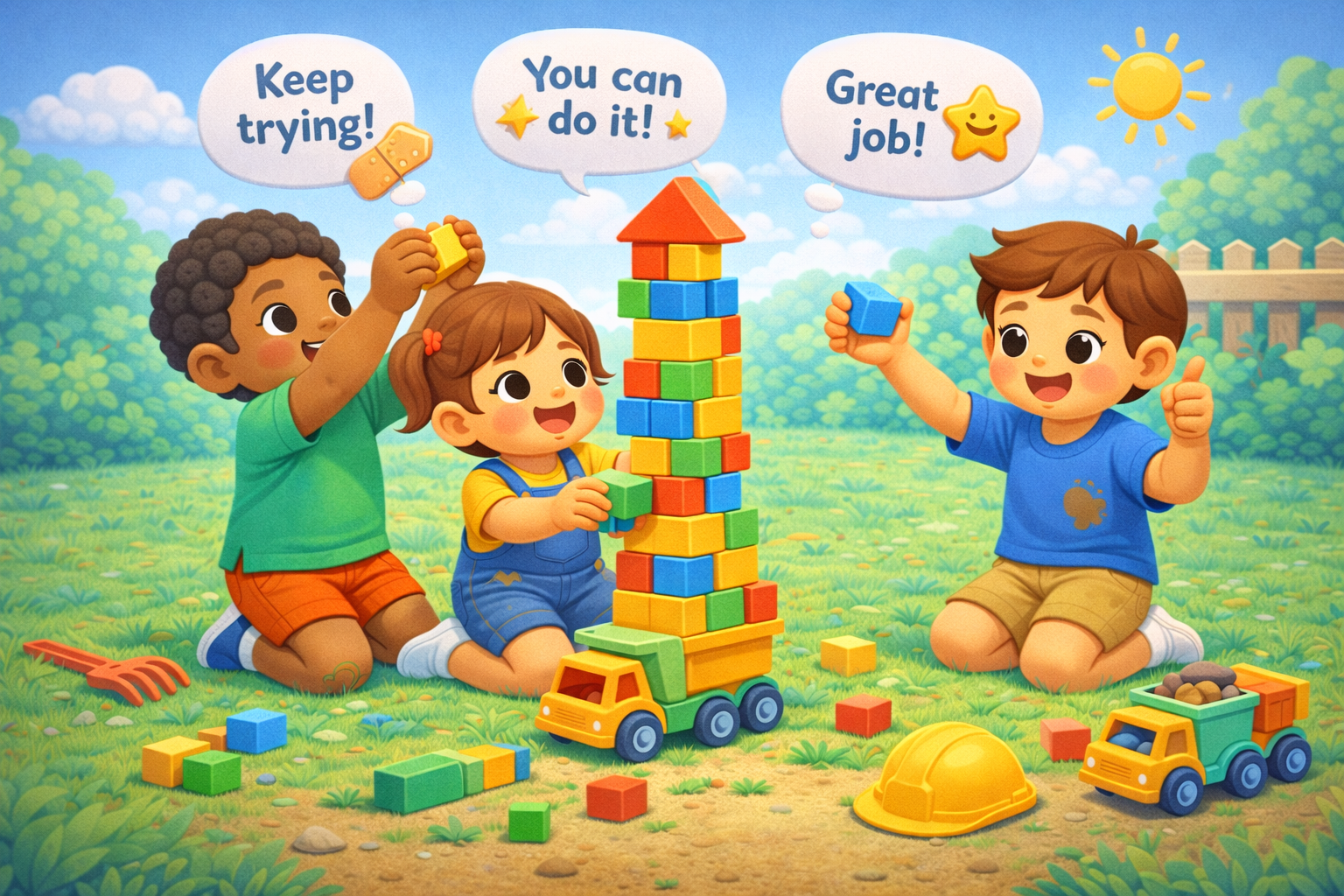
Finally, don’t be afraid to let your child be bored. When we immediately hand over a phone the moment a child whines, we rob them of the opportunity to be creative. Boredom is the birthplace of imagination. A child who is bored eventually picks up a block, draws a picture, or invents a game.
Breaking the screen cycle isn’t easy, but the rewards, better sleep, improved mood, and enhanced creativity, are worth the struggle. Next time the “I’m bored” complaints start, skip the iPad and head to the park or an indoor playground. Your child’s brain will thank you.

 English
  Español de República Dominicana